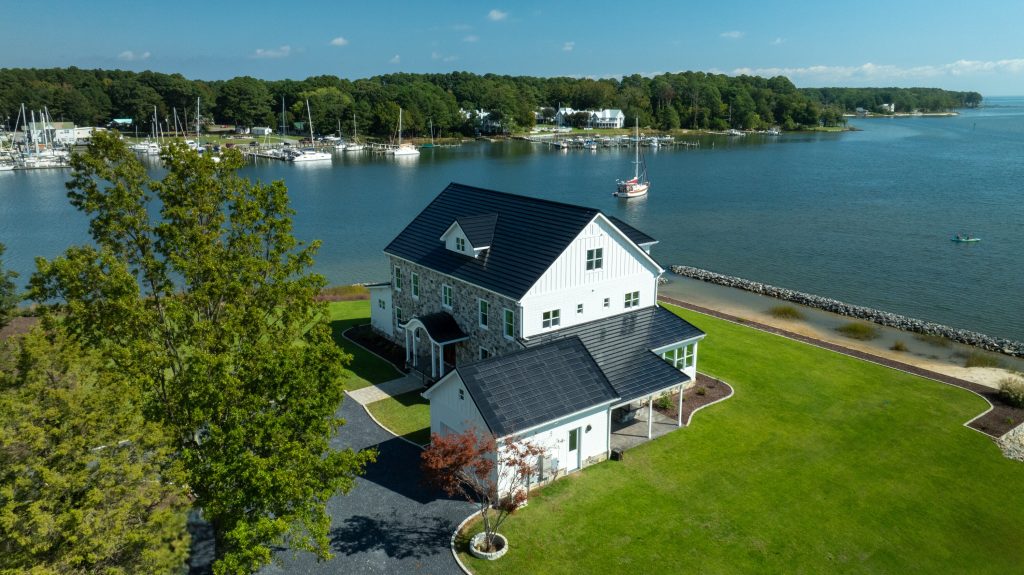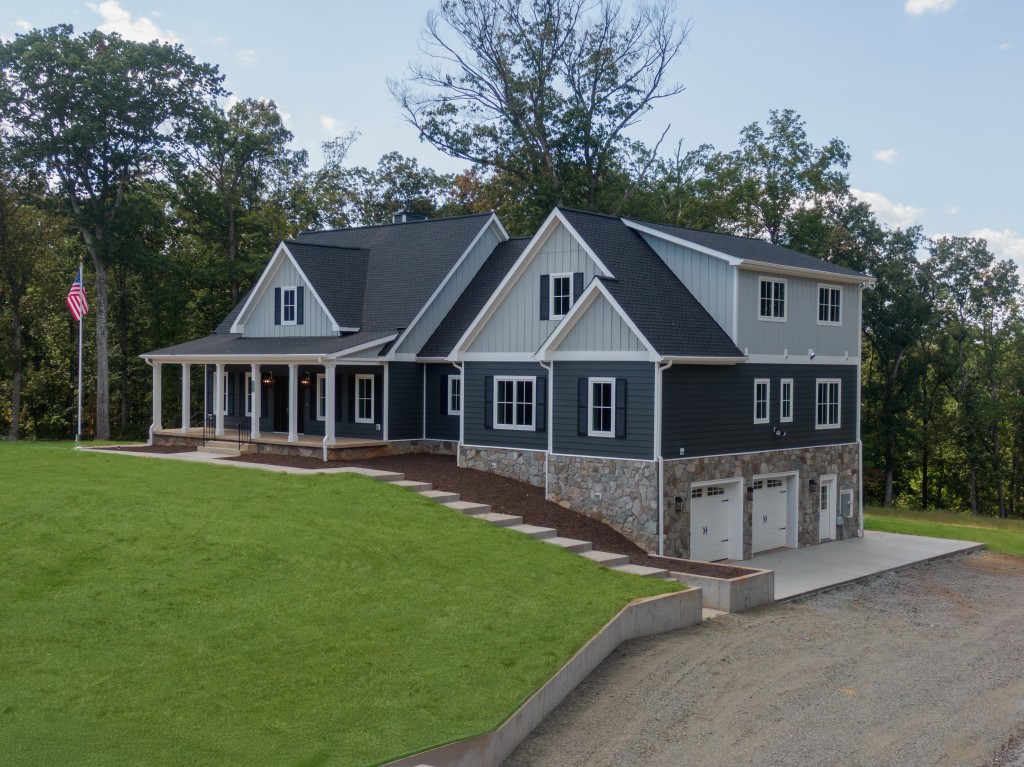
Introduction: Why ICF Construction Matters Today
The way homes are built in the United States is changing. Rising energy costs, more extreme weather, labor shortages, and growing demand for durable, healthy, and sustainable housing are forcing builders and homeowners to rethink traditional construction methods. Among the most compelling alternatives is ICF construction—short for insulated concrete forms.
Insulated concrete forms have a long track record in commercial, institutional, and disaster‑resistant construction. Today, they are increasingly chosen for residential homes by homeowners who prioritize energy efficiency, comfort, resilience, and long‑term value.
This guide explains what ICF is, how it works, its benefits and challenges, and why it is especially well‑suited for homes in Virginia.
What is ICF Construction?
ICF construction is a building method that uses rigid insulating foam forms as permanent formwork for reinforced concrete walls. The forms remain in place after the concrete is poured, creating a wall system that combines structure, insulation, and air sealing in one assembly.
Each insulated concrete form consists of two panels of expanded polystyrene (EPS) foam connected by engineered plastic ties. The cavity between the panels is filled with steel‑reinforced concrete.
The result is a solid reinforced concrete wall with continuous insulation on both sides.
How Insulated Concrete Forms Work
- Forms are stacked like interlocking blocks to create wall layouts.
- Steel reinforcement is installed per engineering plans.
- Concrete is poured into the forms.
- The concrete cures while the forms remain permanently in place.
- Interior and exterior finishes attach directly to the forms.
This process eliminates many steps required in traditional framing and results in a highly airtight, insulated, and durable structure.
Benefits of ICF Construction
Energy Efficiency
ICF walls provide continuous insulation and thermal mass, reducing heating and cooling loads and lowering energy bills.
Comfort
ICF homes maintain more consistent indoor temperatures with fewer drafts and quieter interiors.
Strength & Resilience
Reinforced concrete walls resist high winds, storms, and debris far better than wood framing.
Fire Resistance
ICF walls commonly provide 2-4 hour fire rating.
Sound Control
ICF walls dramatically reduce exterior and interior noise transmission.
Durability
Concrete does not rot, warp, or attract termites, making ICF homes long-lasting and low maintenance.
Challenges and Considerations
- Slightly higher upfront construction costs
- Requires an experienced ICF builder
- Planning is critical because post‑construction changes are more difficult
ICF vs Traditional Wood-Framed Construction
ICF construction offers superior performance in energy efficiency, durability, comfort, sound control, and storm resistance compared to conventional framing.
| Feature | ICF Construction | Wood Framing |
| Energy Efficiency | Excellent | Moderate |
| Durability | Reinforced Concrete | Susceptible to Rot & Pests |
| Sound Control | High | Low-Moderate |
| Storm Resistance | Superior | Limited |
| Comfort | Consistent | Variable |
ICF Construction in Virginia
Virginia lies primarily in IECC Climate Zone 4 (mixed‑humid), with portions of Zone 5. Homes must manage heat, humidity, cold winters, and increasingly severe storms.
ICF homes perform exceptionally well in Virginia by providing:
- Airtight construction
- Continuous insulation
- Moisture resistance
- Storm resilience
Virginia energy codes based on the IECC are easily met—and often exceeded—by ICF wall systems.
ICF Construction in Virginia: Local FAQs
Are ICF homes approved in Virginia?
Yes. ICF systems comply with the Virginia Uniform Statewide Building Code when properly designed.
Where are ICF homes common in Virginia?
Northern Virginia, Fredericksburg, Richmond, Shenandoah Valley, Blue Ridge, and Coastal Virginia.
Do ICF homes cost more to build in Virginia?
Typically 5–10% more upfront, often offset by long‑term energy and maintenance savings.
Are ICF homes good for Virginia summers?
Yes. ICF homes stay cooler and reduce humidity due to insulation and thermal mass.
Choosing an ICF Builder in Virginia
Local experience matters. A qualified Virginia ICF builder understands local codes, soil conditions, climate detailing, and inspection requirements.
Final Thoughts: What is ICF and Why it Matters in Virginia
ICF construction combines strength, efficiency, comfort, and resilience into one building system. For Virginia homeowners seeking a better‑built, energy‑efficient home designed for long‑term performance, insulated concrete forms offer a smarter path forward.
At ICF Homes of Virginia, ICF is more than a construction method—it’s a commitment to building with intention.