
What Is ICF Construction &
WHY DOES IT MATTER FOR YOUR HOME?

ICF Education Center

How ICF Construction Works

Most custom homes in Virginia are built with wood framing. That is the industry default, and like most defaults, it exists because it is familiar – not because it is the best option available.

Insulated Concrete Form (ICF) construction is a different method. It produces homes that perform better in energy efficiency, structural strength, acoustic quality, and long-term durability than comparable wood-frame construction. It is not a new technology. It is the building method Dave Phelps, President of ICF Homes of Virginia, chose for his own home in 2004 after researching every alternative available.

Every home ICF Homes of Virginia builds uses this method.

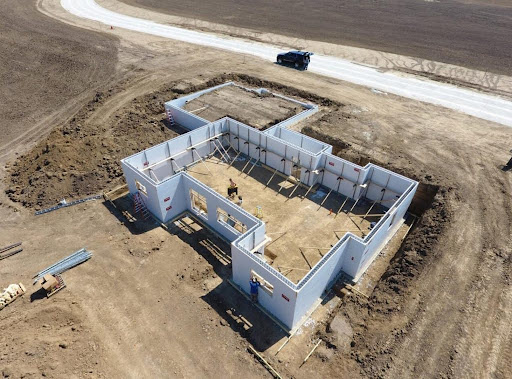
ICF walls are built using interlocking foam forms that serve as the mold for a poured concrete core. The foam stays in place after the concrete sets, creating a wall system with concrete strength and foam insulation built into the same assembly.

The result is a wall that is significantly stronger than wood framing, far better insulated than standard construction, and airtight in a way that wood-frame walls cannot achieve.

How ICF Compares to Traditional Wood-Frame Construction

Energy Efficiency: ICF walls perform at insulation levels that traditional construction would require multiple inches of added insulation to approach. HVAC systems in ICF homes are typically smaller and run less frequently.

Structural Strength: Concrete core walls are rated for significantly higher wind loads than wood framing. ICF homes are built to withstand the storm conditions Virginia experiences – including hurricanes and severe thunderstorms – better than comparable traditional builds.

Acoustic Performance: The concrete and foam assembly dampens exterior noise significantly. An ICF home is noticeably quieter inside than a wood-frame home in the same location.

Moisture and Rot Resistance: ICF walls do not rot, warp, or deteriorate from moisture exposure. Wood-frame walls, particularly in Virginia’s humid climate, are subject to moisture-related degradation over time.

Long-Term Maintenance: ICF homes require significantly less exterior maintenance than wood-frame construction. The structure itself does not change the way wood does as it ages.

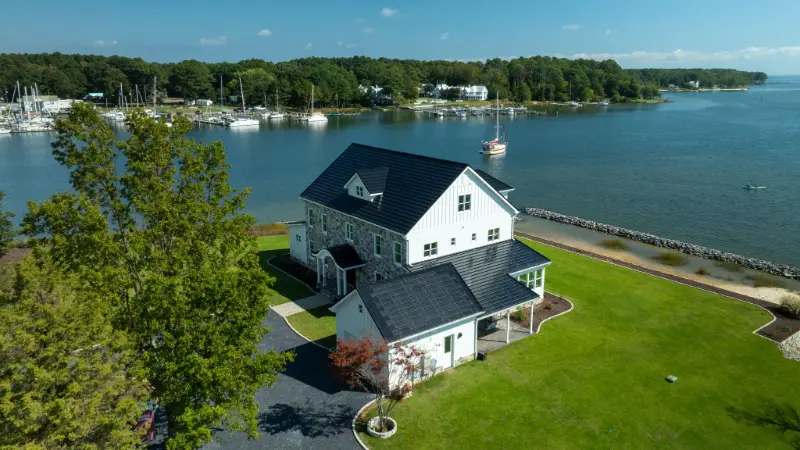
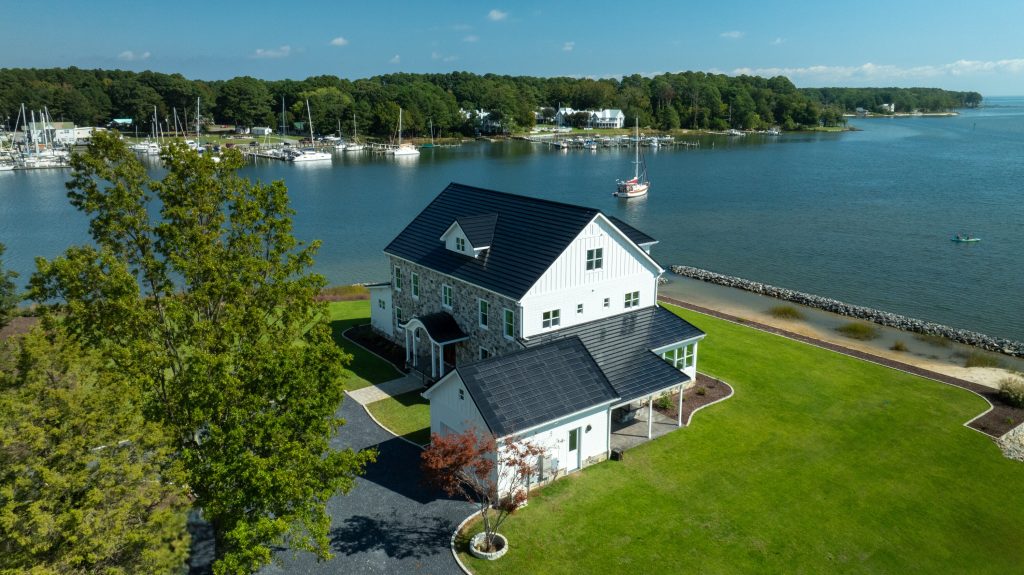
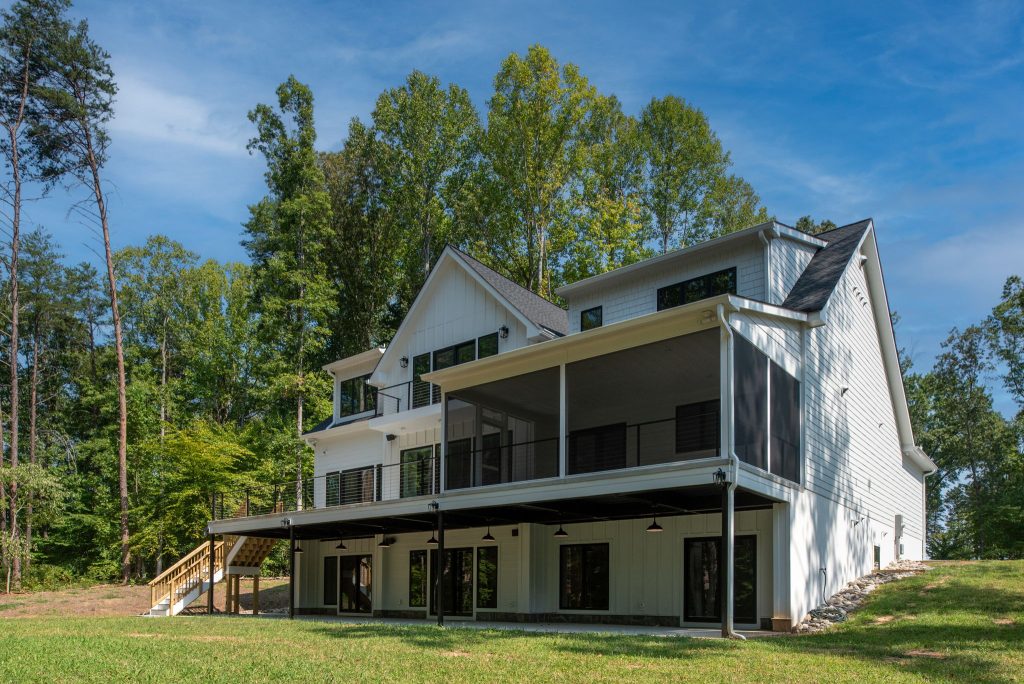
ICF Homes of Virginia Deltaville project side profile showing the solar panels on the roof of the garage and the view of the marina

Common Questions About ICF Construction

Does ICF cost more? Typically yes, the upfront construction cost is modestly higher than comparable wood-frame construction. However, lower energy costs, reduced HVAC sizing, and lower long-term maintenance costs offset the difference over time for most buyers.

Does building with ICF take longer? Build timelines for ICF homes are comparable to traditional construction. The wall assembly process is different but not slower.

Can ICF homes look like any custom home? Yes. ICF construction affects the wall system, not the exterior finish or interior design. An ICF home can be designed in any architectural style with any finish selections.

Is ICF construction approved by Virginia building codes? Yes. ICF construction meets and in many cases exceeds Virginia building code requirements.

Why We Build This Way and Only This Way

We do not offer ICF as an upgrade option or a premium tier. It is how we build every home. Dave Phelps, President of ICF Homes of Virginia, made that decision in 2004 when he built his own ICF home and has not reconsidered it since. The performance data across twenty-plus years of ICF builds in Virginia confirms that decision every time.

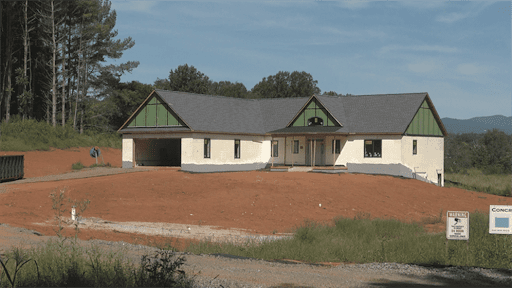
One level ICF Home over looking a field with mountains in the distance

ICF on CBS 19 News

Special Concrete Homes Are Popping Up Around Central Virginia An Original Article By Garrett Whitton RUCKERSVILLE, VA (CBS19 News) — Special kinds of homes are becoming more common around town and in nearby counties. It’s called insulated concrete form or ICF Homes. ICF Homes’ president,
Read More »

Complete Guide to Insulated Concrete Forms (ICF) Construction

Introduction: Why ICF Construction Matters Today The way homes are built in the United States is changing. Rising energy costs, more extreme weather, labor shortages, and growing demand for durable, healthy, and sustainable housing are forcing builders and homeowners to rethink traditional construction methods. Among
Read More »
ICF Homes of Virginia Deltaville project side profile showing the solar panels on the roof of the garage and the view of the marina

The Energy Efficiency Advantage of ICF Homes in Virginia

Why Insulated Concrete Forms Deliver Superior Thermal Performance, Lower Energy Costs, and Long-Term Value   Homeowners searching for ICF energy efficient homes in Virginia are looking for more than upgraded insulation—they want real-world performance. In a climate defined by hot, humid summers, cold winter snaps,
Read More »

Save Big on Energy Efficient Homes

Part of planning a new building isn’t just factoring the cost of the building materials and labor and calling it a day. It’s important to have some foresight and think about different factors that can impact your wallet and the structure of the building itself

Read More »

ICF on Ice – The Cold Weather Champion

When the temperature outside starts dropping, you may find yourself shaking your head at the thermostat and your fist at the sky. Unless, of course, you’ve built your home out of Insulated Concrete Forms. It has “insulated” right there in the name!   SOURCE  
Read More »

Passive Geothermal Heat in ICF Homes

When considering building materials for houses, builders should be looking for materials that are going to be energy efficient for the homeowners. ICF is absolutely energy efficient but it tends to rank lower than it should because proper testing hasn’t been done on one of

Read More »
Hear from Builder Dave

ICF Homes of Virginia

Description

Dive into the story of Dave Phelps, the founder of ICF Homes of Virginia! With a background in physics, Dave sought a superior home building method and found it in Insulated Concrete Forms (ICF). Faced with a lack of ICF builders, he took the challenge head-on, obtaining his contractor’s license and building his own ICF home. Hear how his passion for building, even dating back to his LEGO-loving childhood, led to the creation of a company that’s revolutionizing home construction. We’ll explore the strength and energy efficiency benefits of ICF and why Dave believes it’s the best way to build.

ICF Homes of Virginia

Ready to learn more about what an ICF home would look like for your specific situation?