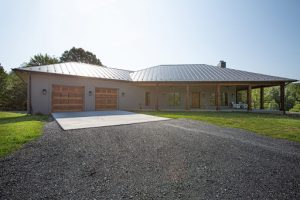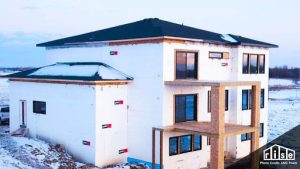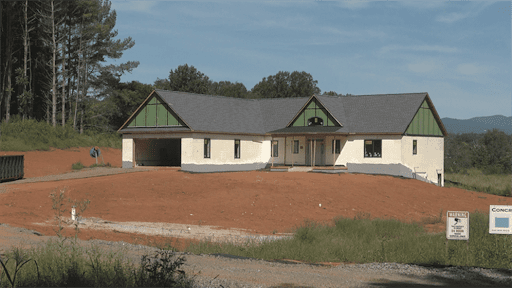
ICF vs wood frame is one of the most important decisions a Virginia homeowner can make when building a new home. This guide is written specifically for homeowners researching ICF benefits, long-term value, comfort, durability, and cost—not just construction theory.
At ICF Homes of Virginia, we believe the right choice comes from understanding outcomes, not buzzwords. Below is a detailed, homeowner-focused, data-informed comparison designed for Virginia’s climate, codes, and real-world building conditions.
What Are You Really Comparing?
Traditional Wood Frame Construction
Most wood-frame homes in Virginia use:
- 2×4 exterior stud walls
- Fiberglass batt or blown insulation
- OSB or plywood sheathing with housewrap
- Interior drywall, exterior siding or brick veneer
This is the most common residential construction method and is widely understood by builders and trades.
ICF (Insulated Concrete Forms) Construction
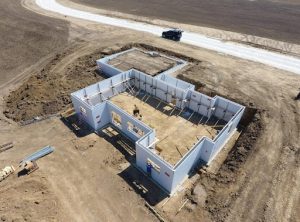
ICF walls are built by stacking rigid foam forms, reinforcing them with steel rebar, and filling the core with poured concrete. The foam remains in place, creating:
- Continuous insulation on both sides of the concrete
- An airtight, reinforced concrete wall system
An ICF wall is not foam construction—it is a concrete home with insulation integrated into the structure.
Energy Efficiency: Monthly Bills and Long-Term Savings
How ICF Homes Perform
Multiple field studies and real-world monitoring consistently show that ICF homes typically use 20–30% less energy for heating and cooling compared to comparable wood-frame homes.
Why?
- Continuous insulation with minimal thermal bridging
- Exceptionally low air infiltration
- Thermal mass that moderates temperature swings
Virginia Climate Advantage
Virginia experiences:
- Hot, humid summers
- Cold winter snaps
- Long shoulder seasons with humidity challenges
ICF construction excels in these conditions by keeping interior temperatures more stable and reducing HVAC cycling.
Homeowner takeaway: Lower monthly utility bills and more consistent comfort—especially during Virginia summers.
Indoor Comfort: The Difference You Feel
Homeowners often describe ICF homes as:
- More even temperatures room-to-room
- Fewer drafts
- Less need to constantly adjust the thermostat
Because ICF homes are significantly tighter than standard wood-frame construction, conditioned air stays inside where it belongs.
When paired with properly sized HVAC and ventilation systems, ICF homes deliver a noticeably calmer, more comfortable indoor environment.
Strength, Storm Resistance, and Peace of Mind
Virginia homes face:
- Nor’easters
- Tropical storm remnants
- Thunderstorms with high winds
- Falling trees and wind-driven debris
ICF walls are reinforced concrete. Compared to wood framing:
- They offer dramatically higher resistance to wind pressure
- They perform exceptionally well against flying debris
- They are far less likely to experience structural wall failure
While no home is indestructible, ICF construction provides a level of structural resilience that traditional framing cannot match without significant upgrades.
Fire Resistance and Safety
ICF wall assemblies are commonly tested and listed with multi-hour fire-resistance ratings depending on finishes.
Benefits include:
- Slower fire spread through exterior walls
- Improved structural integrity during a fire event
- Additional time for occupants to exit safely
For homeowners in wooded or suburban areas of Virginia, this added layer of fire protection can be a meaningful advantage.
Sound Control: A Quieter Home
If your home is near:
- Major roads (I-95, Route 1, I-64)
- Growing suburban developments
- Commercial or mixed-use areas
ICF construction significantly reduces exterior noise intrusion.
The mass of concrete combined with continuous insulation results in:
- Higher Sound Transmission Class (STC) ratings
- Noticeably quieter interiors
- Reduced noise between rooms and floors
Many homeowners say this is one of the most immediately noticeable benefits of living in an ICF home.
Virginia Utility Cost Examples: What Homeowners Actually Pay
One of the most common questions we hear is: “What does this mean for my monthly bills in Virginia?” While exact costs depend on size, layout, HVAC system, and lifestyle, regional data and homeowner reports allow for realistic comparisons.
Typical Virginia Energy Costs (Single-Family Homes)
Across much of Virginia, average residential electricity rates commonly fall in the $0.13–$0.15 per kWh range, with natural gas prices fluctuating seasonally. For a typical 2,500–3,000 sq. ft. home:
- Wood-frame home (baseline code-built):
- Summer electric bills: ~$180–$260/month
- Winter combined electric/gas: ~$160–$240/month
- Annual heating & cooling energy cost: ~$2,400–$3,200
- Comparable ICF home:
- Summer electric bills: ~$130–$190/month
- Winter combined electric/gas: ~$120–$180/month
- Annual heating & cooling energy cost: ~$1,800–$2,400
These ranges reflect the commonly observed 20–30% reduction in heating and cooling energy use associated with ICF construction when compared to standard wood framing.
Real-World Example (Central & Northern Virginia)
A homeowner building a 2,800 sq. ft. home in the Fredericksburg / Northern Virginia region may see:
- ~$60–$80/month lower summer cooling costs
- ~$40–$60/month lower winter heating costs
Over a year, that can translate to $700–$1,000 in utility savings, with even greater stability during extreme heat or cold.
Long-Term Perspective
Over 20 years, conservative utility savings alone can exceed:
- $14,000–$20,000, not accounting for future energy price increases
This is before considering reduced maintenance, improved durability, or potential resale advantages.
Cost Comparison: Up-Front vs Long-Term Value
Initial Construction Cost
ICF homes typically cost more upfront than baseline wood-frame homes. However:
- The difference often narrows when wood-frame homes are upgraded for air sealing, sound control, and energy performance
- Market conditions (especially lumber pricing) can significantly affect the gap
Long-Term Ownership Cost
ICF homes often deliver:
- Lower energy bills
- Reduced maintenance related to rot or structural degradation
- Potential insurance advantages (carrier dependent)
- Higher Resale
When evaluated over decades—not just at closing—ICF often provides strong value.
Construction Timeline and Builder Experience
Wood Frame
- Widely available labor
- Familiar sequencing
- Easier last-minute changes
ICF
- Faster dry-in when executed properly
- Fewer weather-related delays once walls are poured
- Requires experienced crews and proper planning
At ICF Homes of Virginia, we emphasize process discipline and experience, ensuring the benefits of ICF are fully realized.
Remodeling and Future Flexibility
Wood framing is often easier for frequent DIY changes. ICF construction:
- Supports remodeling and additions
- Requires more deliberate planning for new openings or penetrations
Many ICF homeowners choose this system specifically because they plan to build once—and build right.
Resale Value and Market Perception in Virginia
ICF homes stand out by offering:
- Documented energy efficiency
- Quiet interiors
- Strong, solid construction feel
As buyers become more educated, these qualities increasingly translate into faster sales and stronger perceived value.
ICF vs Wood Frame: At-a-Glance Comparison
| Feature | ICF Construction | Wood Frame Construction |
| Energy Efficiency | Excellent | Good to Excellent (with upgrades) |
| Indoor Comfort | Exceptional | Variable |
| Structural Strength | Very High | Moderate |
| Fire Resistance | High | Moderate |
| Sound Control | Excellent | Moderate |
| Up-Front Cost | Higher | Lower |
| Long-Term Durability | Excellent | Good |
Is ICF Right for Your Virginia Home?
ICF construction is ideal for homeowners who value:
- Comfort and quiet
- Energy efficiency
- Durability and resilience
- Long-term performance over short-term savings
Traditional wood framing remains a solid option when budget, speed, or remodeling flexibility are top priorities.
Build with Intention
At ICF Homes of Virginia, we specialize in helping Virginia homeowners determine whether ICF construction aligns with their goals, site conditions, and budget.
Schedule a consultation to explore whether an ICF home is right for you—and what it could mean for comfort, efficiency, and peace of mind for decades to come.
Utility Cost Disclaimer
The utility cost examples and savings estimates provided above are illustrative estimates only and are based on regional averages, published research, and typical homeowner reports. Actual energy usage and costs will vary depending on home size, design, construction details, HVAC systems, energy prices, weather conditions, and individual household behavior. ICF Homes of Virginia does not guarantee specific utility costs or savings outcomes.