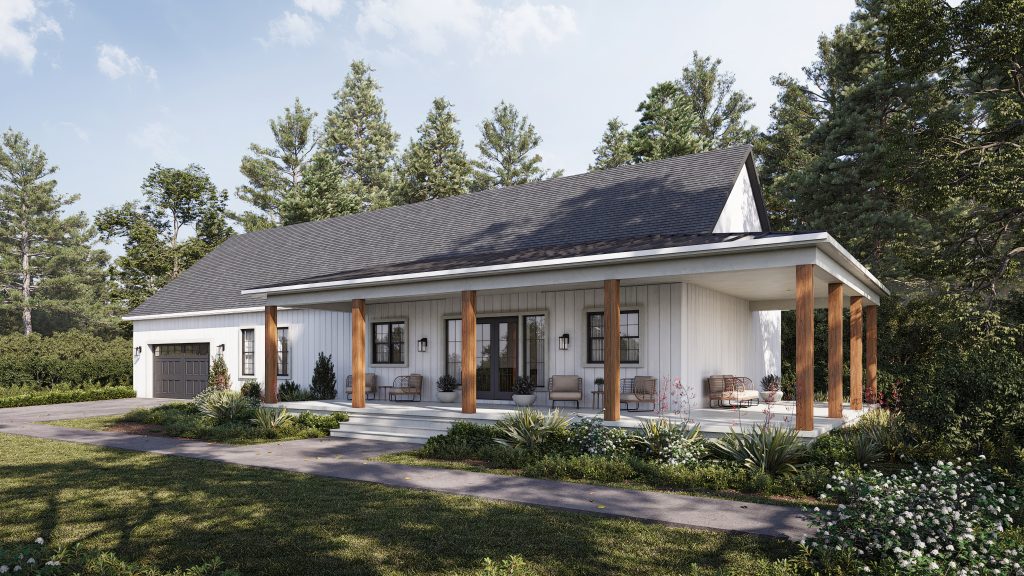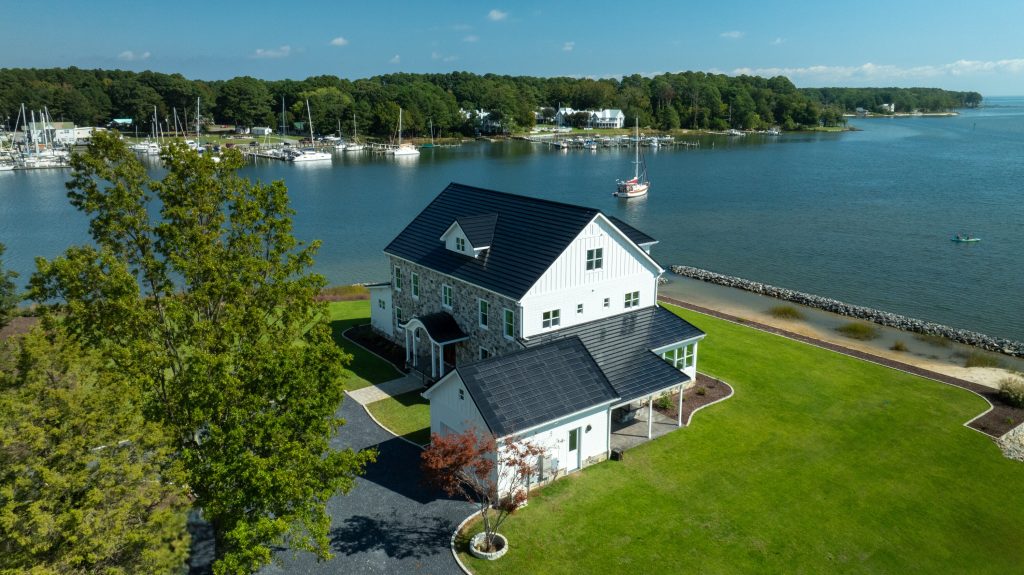
When the temperature outside starts dropping, you may find yourself shaking your head at the thermostat and your fist at the sky. Unless, of course, you’ve built your home out of Insulated Concrete Forms. It has “insulated” right there in the name!
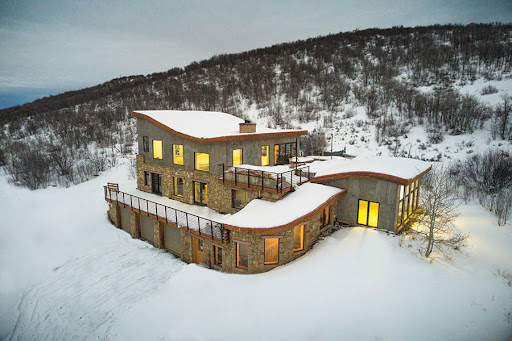
ICF homes take 44% less energy to heat than their traditional wood-frame competitors. Because of the insulated nature of the building material, heat is trapped within the home and leakage is minimal. Heat cannot escape and cold won’t seep on in. It’s like having a down-filled parka wrapped around your family.
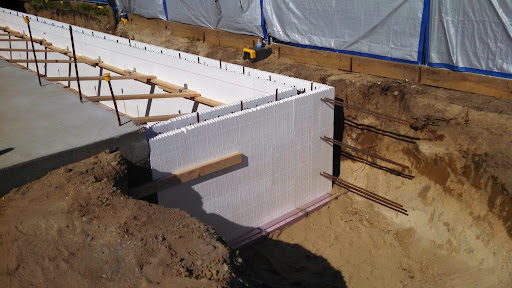
Not only do the walls protect the temperature of your home, the footers themselves have a hand (or foot) in the process. Because of the materials used, the insulation from the concrete wall carries the temperatures from the ground into the footers and all the way up the walls of the house. Thermodynamics transfer heat from below ground upwards. Because of this, maintaining a constant and comfortable temperature is much easier on your HVAC unit, saving you money on energy bills. Wood walls do not do this, and any temperature radiation stops at the footers.
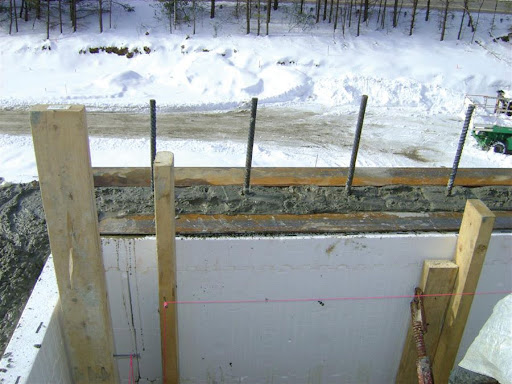
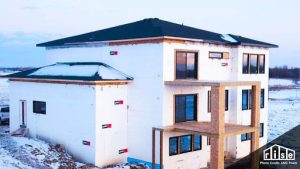
Want to start building an ICF home right now but concerned about construction in the cold? No worries there, either! Cold weather pouring is when the average temperature is below 40° F (4.5° C) over a period of 72 hours. The strength of the concrete can be ensured by heating and altering the concrete mixture to combat the cold.